

THERAPIST FOR Late-diagnosed neurodivergents | WASHINGTON, DC & Maryland
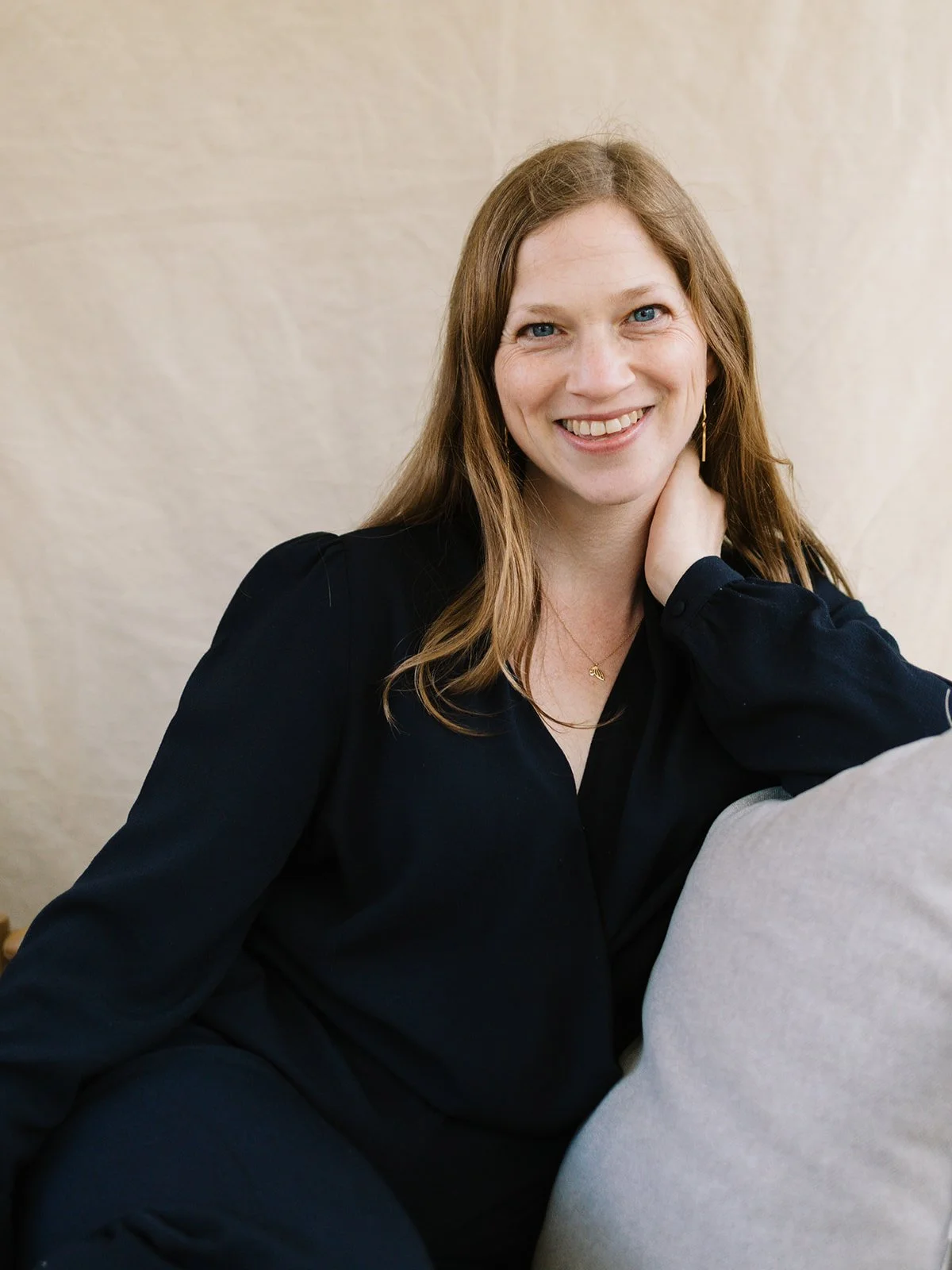
ABOUT MELANIE eisner

honor your complexity
Many late-diagnosed neurodivergent folk have navigated a constant push-pull: seeking novelty, passion, and dopamine while also craving deep rest, predictability, and quiet. They may find themselves alternating between excelling in life and relationships, and feeling deeply fragile and lonely.
Some neurotypes are difficult to recognize because multiple traits overlap or interact. For example, Autism and ADHD (AuDHD), ADHD and giftedness, or other co-occurring differences can mask, amplify, or “compensate” for one another.
These more complex presentations are frequently overlooked because strengths often obscure struggles. Over time, those with complex neurotypes develop highly effective coping strategies, making the taxing work required to function largely invisible to others, and sometimes even to themselves.
On top of that, they often struggle with self-worth. They may have internalized the message that they are “too much” or “not enough.” They make themselves smaller, hide their struggles, and disconnect from their bodies to get by.

You don't have to fragment yourself to fit in anymore; you get to be whole.
As a therapist for 15 years and a late-diagnosed neurodivergent, I’ve had the honor of helping teens and adults unravel their shame and understand how deeply valuable they are. I’ve supported them as they explore how their particular brain works, come to understand themselves better, and get clarity on their liabilities and needs, as well as their strengths and gifts.
I want to tell you that your differently-wired nervous system is not broken. Your emotions—which have so often been minimized, diminished, or gaslit—are actually powerful, necessary, and real. Your unique perspectives, analyses, and ideas can have so much value to others. In fact, your complexity is the very source of your compassion, your creativity, and your integrity.
Together, we will work to reconnect you with your emotions and your body, reclaim your inner wisdom, and fully accept the brilliant person you are.

Pillars of my work
-
culture
Naming toxic frameworks — such as ableism, racism, and perfectionism — helps identify the harm we’ve internalized. Only then can we undo damage and begin to heal. Part of therapy may include exploring your intersecting identities, cultural lineages, and family history.
-

DESHAME
Neurodivergents are powerfully impacted by environments, and often internalize aggression, anxiety, or sadness as their fault. Feeling different without knowing why (pre-diagnosis) also leads to shame and self-doubt. Healing starts with learning the truth of your worth.
-

EMPOWER
Many neurodivergent qualities are devalued by the dominant culture. Empowerment is honoring the value in your natural ways of being: thorough, deeply feeling, passionate, and complex. It is experiencing your strength, neurodivergent joy, and tapping into connection.
-
Courage
Neurodivergents are tenacious, enduring, and resilient even if they wish they didn’t have to be. Being so impacted by the world, where parts of it frequently feel painful (especially when there’s trauma) means that getting through every day can be a courageous act. So is showing up for therapy. I honor the courage that brings you to the work.
-

Curiosity
Curiosity is what we need for personal inquiry — the healing element. It's a shift from “what's wrong with me,” to an openness for questioning and insight, as we begin to identify and untangle painful thoughts or feelings. Curiosity releases you from self-blame. We move from ‘stuck’ to unlocking potential and agency over the habits we want to change.
-
Connection
A sense of belonging is integral to our wellbeing. Neurodivergents — who experience safety in solitude, and may have attachment trauma and RSD — struggle with yet desire connection. The strength of our therapist/client relationship is the foundation of your journey toward building an ability to give and receive care.

how I work
The power of co-regulation
Many neurodivergent adults and teens spend their lives deeply misunderstood. They crave a rare kind of emotional attunement. Therapy with me addresses this need. I closely follow and meet the nuances and fluctuations of your emotions while offering a dynamic co-regulation: the calm my nervous system exudes can help you feel safe and connected while you process pain, anger, joy, and more. I tread thoughtfully, honoring your sensory needs and pacing.
Neurodivergent folks tend to retreat into their intellect. While I love to engage with the nuances and brilliance of your mind, I’ll help you stay grounded in your body and emotions, which are the doorways to your story.
Neurodivergent individuals have vivid and intense experiences — full of textures, colors, sensory inputs, and complex emotions. Trying to express and untangle that array can feel frustrating, like trying to push a vast experience through the tiny keyhole of a word. We will sift through the nuances of your feelings, assisting you to articulate your internal world. Translating the rawness of your nervous system into words can help you to regulate your emotions, build self-compassion, and finally feel truly seen.
my approach to therapy
While I’ll draw upon relational psychotherapy, AEDP, ACT, ICBT, and mindfulness, what primarily guides our work is a genuine curiosity about how you experience the world. My frameworks are adaptable to you, the real person sitting with me.
I also draw on depth therapies. We may explore ego, personality, and the transpersonal aspects of being human — what it’s like to be conscious.
I draw on existential therapy and enjoy working with you on metaphysical questions — how you understand life and the universe, and how you make meaning of your experiences.
I love helping my clients map out their brains. The closer you get to understanding your nervous system, the more freedom and agency you’ll have in navigating it.
I believe healing happens when you feel safe enough to experience your emotions in a trusted relationship, rather than having to be alone with painful feelings (as you might have in the past).
I’ve been told by clients my voice is calming. My energy is both gentle and empowering; grounded, and passionately affirming.

i am…
...A late-diagnosed neurodivergent. I am a Mom of a human child and a canine. I’m a connoisseur of coziness, a crossword puzzler, an art and music lover, and a Dylan fan. I’m a life-long collector of turtle trinkets, journals, and pottery. I love to draw, write, hike, and drink coffee. I am a native Marylander and an INFP. I live in Takoma Park, MD.
I DO…
...Therapy because I was an 8 year old talking to my parents about infinity, how the world began, and other things that felt deliciously mysterious to me. As a teenager the mystery that caught my attention was the human mind. It’s a mystery that never gets old. The twists, turns, and textures of our lives endlessly fascinate me. While I still revel in the mysterious beauty of what makes us human, I’ve come to understand that what drives my learning about psychology is to understand how we can live our best lives and connect with others.
i care…
...About your sacred place in this world, and am on a mission to help you live with more connection, joy, and meaning. I am dedicated to serving you with depth, authenticity, humor, and presence.
BIOgraphy
Melanie Eisner
Therapist for Late-diagnosed neurodivergents
Melanie has worked for fifteen years as a psychotherapist, training in a range of therapy modalities such as psychodynamic, body-centered, and mindfulness-based. Melanie also draws upon years of education in creative writing, and experience in leading creative writing groups in therapeutic settings. Her passion is guiding neurodivergent, sensitive people to delve into their minds and hearts. She helps them heal wounds that have impacted their sense of self, and to recognize their inherent worth and beauty. She supports them in claiming and integrating their gifts, and knowing their whole selves.
qualifications
Licensed Clinical Social Worker in MD (LCSW-C) #18291
Licensed Clinical Social Worker in D.C. (LICSW) #LC50079858
Masters in Social Work, University of Chicago
Masters of Arts in Social Sciences, University of Chicago
Thesis: How the Creative Arts Facilitate Agency in At-Risk Youth
Bachelor of Arts, Washington University in St. Louis
Majors in Psychology and Philosophy-Neuroscience-Psychology
clinical training that shaped my work
Member of The Divergent Clinician Consultation Community, Jessica Hogan, Psy.D.
Member of the Mid-Atlantic Group Psychotherapy Association (MAGPS)
Autism and ADHD Assessment Training, Neuropebble/Jamie Roberts, LMFT
Inference-based Cognitive behavioral therapy (I-CBT) for OCD, Brittany Goff, LCSW-C
Understanding Autism: A Therapist’s Guide, Jenn Glacel, LCSW
Creative Arts Therapies and Trauma, Amber Gray, Ph.D. and Craig Haen, Ph.D.
Acceptance and Commitment Therapy (ACT) Skills Training, Miranda Morris, Ph.D.
Certified in Accelerated Experiential Dynamic Psychotherapy (AEDP) Level 2
Intensive Short-Term Dynamic Psychotherapy, Washington School of Psychiatry
TRAINING in Therapy and meditation
Zentensives (two), week-long silent meditation retreat for psychotherapists, Lawson Sachter, LCSW
Psychotherapy and Transcendence: Exploring Human Freedom and Compassion, Lawson Sachter, LCSW
Power of Awareness, Mindfulness and Compassion training with Tara Brach and Jack Kornfield
Mindfulness for Clients with Shame and Fear with Tara Brach, Ph.D.
PAST CLINICAL EXPERIENCE
Suburban Hospital, Outpatient Addiction Treatment Center
Children's National Medical Center
The Native American Health Center, San Francisco
Graduate Internship at Northwestern Memorial Hospital, Chicago
classes in writing and creativity
Creative Writing Classes through:
The Bethesda Writers Center
Corporeal Writing (Lidia Yuknavitch; Leigh Hopkins)
Esalen Writer’s Camp (Cheryl Strayed and Pam Houston)
Mission Belonging (Seema Reza)
On the Creative Process:
Discipline is Pleasure: How to Build Your Creative Practice (Yumi Sakugawa)